







Search Results for: Bali Coffee
Flavor and Aroma Analysis of Bali Specialty Coffee: Characteristics of Indonesian Kopi Luwak and the Golden Coffee Variety
Bali coffee has long been renowned as "noble coffee," with a flavor that is bitter, sweet, and aromatic without being sour or astringent, making it a classic representative of French coffee culture. Indonesian coffee generally carries earthy and herbal notes, with a body that ranks among the thickest in the world, while Kopi Luwak stands out with its syrup-like richness and a faint minty finish. Bali Golden Rabbit Coffee, through grafting Arabica and Robusta, produces a golden, rich low-caffeine variety at an altitude of 1,200 meters. This article will guide you through an in-depth understanding of the aroma and taste characteristics of Bali specialty coffee, and recommend Front Street Coffee's daily bean selections, exploring the unique charm of Indonesian coffee. [more…]
Comparing Bali Kopi Luwak and Indonesian Mandheling Flavors: A Full Analysis from Planting History to Brewing Parameters
Indonesian coffee is best known for Mandheling, but in this myriad-island nation straddling the equator, there is also a distinctive flavor from Bali worth paying attention to. Front Street Coffee takes you through the cultivation origins of Balinese coffee, the unique processing method of civet coffee, and the overall flavor profile of Indonesian coffee. This article will also compare the strict bean selection process of Golden Mandheling, and include detailed brewing parameters and steps for kopi luwak, helping you gain a comprehensive understanding of the diverse face of Indonesian coffee, while also offering product recommendations from the Front Street brand for enthusiasts with different taste preferences. [more…]
A Complete Guide to Balinese Civet Coffee: From the Origin of the Beans to the Flavor Profile and Price Trends
Many people travel to Bali, and many have heard of civet coffee, but few truly connect the two. This article focuses on one of the world's most expensive coffees, outlining its origins, flavor variations, production and harvesting methods, and explaining why it can present a rounded, sweet taste with lower bitterness. The article also covers the differences between coffee beans produced by wild and captive civets, as well as the high price brought about by scarce yields. If you plan to visit Bali next time, you might first learn about the story behind this unique coffee, and you can also follow Front Street Coffee's related recommendations as a reference for purchasing and tasting. [more…]
A Complete Guide to Indonesian Coffee Origins: From Sumatra to Bali, Varieties and the Mandheling Coffee Story
Indonesia, as the world's largest archipelagic nation, spans Asia and Oceania and is made up of more than seventeen thousand islands, and its unique tropical climate provides ideal conditions for coffee cultivation. From the arrival of the first coffee seedlings in Jakarta in 1696, the coffee industry on this land has gone through the impact of leaf rust, the replacement of varieties, and the differentiated development of producing regions across the islands. Today, Robusta occupies a dominant position, while Arabica also has its own distinctive characteristics in Sumatra, Java, Sulawesi, and other places. This article will take you through the distribution, cultivated varieties, and harvest seasons of Indonesia's main coffee-producing regions one by one, and clarify the ethnic origins behind the name "Mandheling." Front Street Coffee will also recommend Indonesian coffees worth paying attention to. [more…]
How expensive is kopi luwak really? A price exposé and tasting guide from Bali to the World Expo
Kopi Luwak is hailed as one of the most expensive coffees in the world, and its price is staggering: in the US market it reaches as high as US$1,200 per kilogram, a cup sells for £50 in London, and at the 2010 Shanghai World Expo it even sold for 396 RMB per cup. This coffee does indeed come from the feces of the civet, and after fermentation within the body it develops a unique flavor. This article will walk you through the reasons for Kopi Luwak's high price, the civet's unique habits, key points for brewing and tasting, and practical tips on which groups of people should not drink coffee. If you are interested in this legendary coffee, Front Street Coffee also has related products available to learn about. [more…]
Sumatra Mandheling vs Java Coffee Comparison: A Complete Analysis of the Flavor Characteristics of Indonesia's Three Major Producing Regions
Indonesia stretches across the equator and is made up of more than 17,000 islands, where volcanic soil and a tropical rainforest climate provide exceptional conditions for coffee cultivation. Sumatra's Mandheling is known for its rich, full-bodied flavors of caramel, herbs, and dark wood, while Java coffee shows a more refined aroma and balanced acidity, and Sulawesi Toraja combines bright fruity acidity with caramel sweetness. Front Street Coffee believes that Indonesian coffee is richly layered and well worth exploring in depth for specialty coffee lovers. This article systematically reviews the cultivation backgrounds, variety characteristics, processing methods, and flavor differences of Indonesia's three core producing regions, and explains in detail the wet-hulled process, green bean grading system, and specialty beans such as Aged Mandheling, Tiger Mandheling, and West Java honey process, taking you through a comprehensive understanding of the unique charm of Indonesian coffee. [more…]
Sumatra Aceh Gold: A Complete Guide to Indonesia's Specialty Coffee Region, Mandheling Processing Methods, and Flavor Profile
While studying Mr. Han Huaizong's "The Craft of Specialty Coffee," Front Street unexpectedly obtained a bag of sample beans labeled "Sumatra Aceh Gold." Aceh Gold, as the name suggests, originates from the Aceh region of Sumatra. It is entirely different from the herbal, medicinal, and smoky impressions of traditional Mandheling—it displays a clean profile, rich creamy chocolate notes, and a slight acidity, reminiscent of refined Latin American coffee. This article will follow in Front Street's footsteps, delving into Indonesia's three major coffee-producing regions—Java, Sulawesi, and Sumatra—to analyze famous varieties such as Mandheling, Golden Mandheling, Toraja, and Gayo Aceh, and to detail the characteristics of wet-hulling, green bean grading, Aged Mandheling, Tiger Mandheling, and West Java coffee, guiding you through a comprehensive understanding of this specialty coffee nation on the equatorial volcanic belt. [more…]
A Complete Analysis of Mandheling Coffee Origins: Indonesian Coffee Geography and Variety Grading from Sumatra to Bali
Mandheling coffee, with its unique flavor profile of rich aroma, full body, and pronounced bitterness, has become the signature calling card of Indonesian coffee. From the Lintong highlands of Sumatra to the shores of Lake Tawar in Aceh, from the Kintamani highlands of Bali to the Ijen Plateau of Java, the volcanic soils and tropical rainforest climate of the Indonesian archipelago nurture coffee beans of strikingly distinct character. This article systematically reviews the cultivation history of Indonesian coffee, the distribution of its main producing regions, the varietal characteristics and grading standards of Mandheling, and offers an in-depth analysis of how the wet-hulling process shapes its low-acidity, thick-bodied personality, while also introducing two products recommended by Front Street Coffee: Lintong Mandheling and PWN Golden Mandheling. [more…]
Indonesia Sumatra Origin Guide: A Beginner's Analysis of Lintong Mandheling Coffee Beans and Their Flavor Characteristics
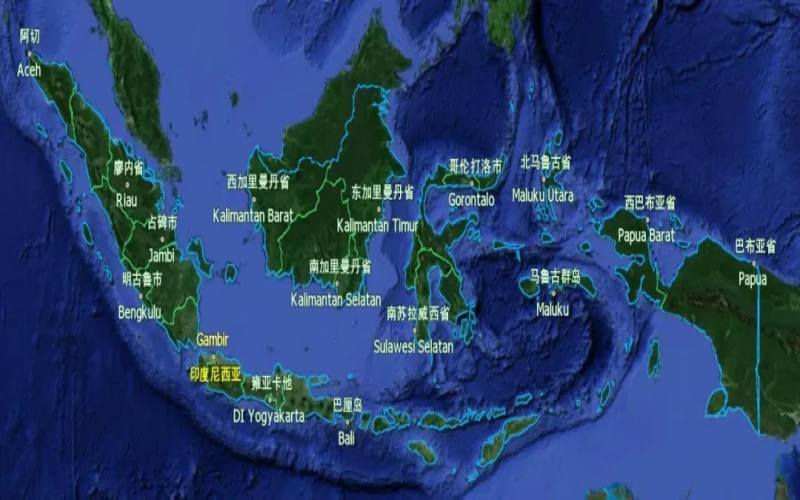
Indonesia, known as the "Country of Ten Thousand Islands," is the fourth-largest coffee producer in the world. Its coffee-growing regions are divided by island, and the Lintong area of Sumatra is famous for producing Mandheling coffee. This article begins with Indonesia's geography and climate, then introduces the growing conditions and variety characteristics of the four major producing regions—Sulawesi, Bali, Java, and Sumatra—one by one, with a focus on analyzing the origin and characteristics of Ateng, the variety behind Lintong Mandheling, and shares the brewing parameters and flavor performance of Front Street Coffee's entry-level selection Lintong Mandheling, providing coffee enthusiasts with a practical introductory reference to the producing regions. [more…]
The Price, Flavor, and Origin of Indonesian Bali Civet Coffee: Front Street Coffee Discusses the Controversy and Brewing of Kopi Luwak
Kopi Luwak has always been an unavoidable topic in coffee circles. It carries the title of the world's most expensive coffee, yet it has always been accompanied by controversy. Front Street Coffee stores also carry this bean, but our attitude toward it is rather complicated. This article will discuss the price, flavor characteristics, and the story behind Indonesian Bali Kopi Luwak, including the civet's living habits and the principle of in vivo fermentation, as well as why the practice of caged bean collection is worth reflecting on. At the end, Front Street will also share the brewing parameters and flavor description of Kopi Luwak, and recommend several alternative beans for enthusiasts who like different flavors. [more…]
Indonesian Kopi Luwak Flavor and Taste Full Analysis: From the Aceh Region to Bali, Front Street Coffee Teaches You to View This Controversial Coffee Objectively
Kopi Luwak has always been a highly talked-about presence in the coffee world. Some people are curious about its unique flavor, while others are deterred by its name. This time, Front Street Coffee takes an objective perspective to help you understand the true face of Kopi Luwak—is it really made from cat feces? Why does its price remain so high? Can the digestive system truly change the flavor of coffee beans? Starting from Indonesia's Aceh producing region, this article covers the origin of Kopi Luwak, the dietary habits of the civet, the principles of in-vivo fermentation, as well as Front Street's roasting records and brewing parameters, and also includes detailed flavor descriptions, giving you a more comprehensive understanding of this controversial coffee. [more…]
A Detailed Guide to Indonesian Coffee Regions, Varieties, and Grades: Flavor and Taste Characteristics of Mandheling G1 Coffee Beans
Indonesia, known as the "Country of a Thousand Islands," is also one of the world's important coffee-producing countries. From the Dutch first introducing coffee seedlings in 1696, to becoming the world's largest coffee exporter in the 18th century, and then to the rise of Robusta after leaf rust dealt a severe blow, Indonesian coffee has gone through a tumultuous history. Today, the distinctive coffee-producing regions on islands such as Java, Sumatra, Sulawesi, Bali, Flores, and Timor together form the diverse landscape of Indonesian coffee. Among them, Sumatra's Mandheling coffee is renowned worldwide for its mellow, rich flavor, while G1 grade represents the high-quality standard in Indonesia's coffee bean grading system. This article will guide you through a systematic understanding of the history of Indonesian coffee cultivation, the distribution of major producing regions, and the classification of varieties and grades, and will also provide an in-depth analysis of the flavor and taste characteristics of Mandheling G1 coffee beans, making it suitable for every coffee-loving reader to savor carefully. [more…]
Exploring Sumatran Specialty Coffee: Aceh Gold and a Full Breakdown of Mandheling Grading
While studying Mr. Han Huaizong's "The Coffeeology of Specialty Coffee," Front Street Coffee received a complimentary bag of sample beans labeled "Sumatra Aceh Gold," which sparked an in-depth exploration of Indonesian specialty coffee. Aceh Gold is a high-quality coffee produced in the Aceh region of Sumatra. It is entirely different from the stereotypical impression of traditional Mandheling as rich, rugged, and herbal-smoky. Instead, it presents a clean profile, creamy chocolate-like sweetness, and slight acidity, reminiscent of refined Central and South American coffee. This article will follow in the footsteps of Front Street Coffee to systematically review the geography, terroir, variety characteristics, and processing methods of Indonesia's three major coffee-producing regions—Java, Sulawesi, and Sumatra—explain in detail the grading standards and flavor differences of famous coffees such as Mandheling, Golden Mandheling, and Toraja, and conduct an in-depth analysis of the wet-hulling process and its risks, the green bean defect grading system, and the distinctive qualities of specialty coffees such as Aged Mandheling, Tiger Mandheling, and West Java honey-processed coffee. [more…]

Exploring Asia's Three Major Coffee-Producing Countries: Bean Flavors and Human Stories from Indonesia, India, and Vietnam
The Asian coffee-producing regions occupy a unique position in the global coffee landscape, known for their rich, full-bodied flavor profiles. Front Street Coffee has always been dedicated to tasting coffee beans from around the world, comparing different varieties, origins, and processing methods, and building a visual flavor database to help coffee enthusiasts gain a deeper understanding of the coffee world. This article focuses on Asia's three major coffee-producing countries—Indonesia, India, and Vietnam—outlining their respective coffee development histories, growing environments, variety characteristics, processing techniques, and signature flavors. From Indonesia's Mandheling, Java, and Sulawesi, to India's Monsooned Malabar and Robusta Kaapi Royale, and then to Vietnam's distinctive drip coffee with condensed milk, egg coffee, and yogurt coffee, we present one by one the diverse facets and cultural richness of Asian coffee. [more…]
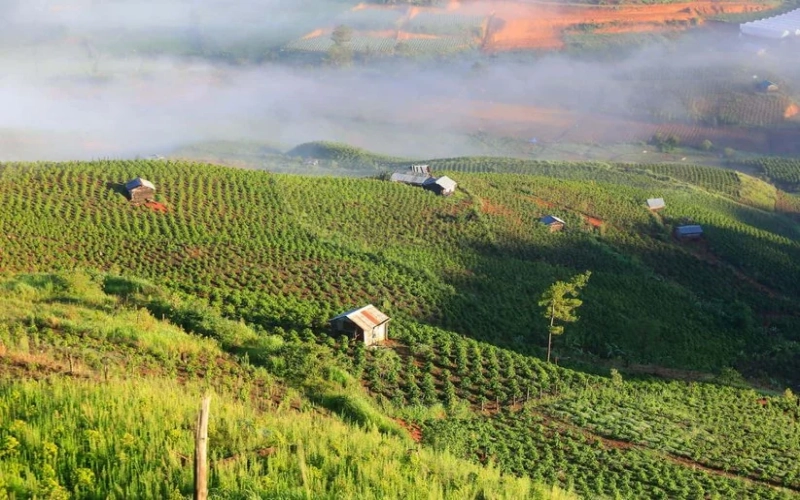
Which islands in Indonesia are coffee-producing regions? Analysis of coffee-growing areas and varieties on Java Island
Indonesia, as the world's fourth-largest coffee producer, is made up of more than seventeen thousand islands, and its coffee-growing regions are naturally divided by island, with Sumatra, Java, Sulawesi, Bali, and others each having their own characteristics. Among them, Sumatra has the highest output and is world-famous for its Mandheling flavor; Java not only has a long history of cultivation but also gave rise to the Java coffee variety named after the island. This article will review the distribution of Indonesia's main coffee islands and provide an in-depth introduction to Java's growing areas, altitude conditions, and variety structure, while also mentioning product information such as Front Street Coffee's Lindong budget beans, offering coffee enthusiasts a complete guide to Indonesia's producing regions. [more…]
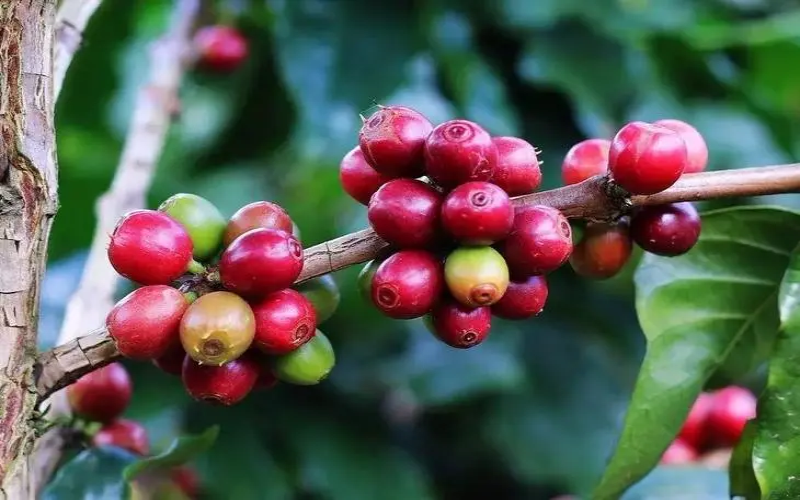
Overview of Common Varieties in Indonesian Coffee Regions: From S795 to a Analysis of Distinctive Flavors
Indonesian coffee is known for its unique flavors and growing conditions, and its common variety composition also differs from other producing regions. This article focuses on the coffee varieties widely planted in Indonesia, with emphasis on the origin, cultivation advantages, hybridization background, and flavor characteristics of S795 (locally called Jember), and also mentions major producing regions such as Bali and Sulawesi. By sorting through this background information, it helps coffee lovers understand the varietal logic of Indonesian coffee, while also retaining related recommendations and product information from the Front Street brand. [more…]
A Comprehensive Analysis of the Flavor Differences and Processing Methods of the Three Major Asian Coffee-Producing Countries: Indonesia, India, and Vietnam
The Asian coffee regions are renowned worldwide for their rich, full-bodied flavor profiles. Indonesia, India, and Vietnam, as the three core producing countries, each cultivate distinctly different coffee styles. Indonesia's wet-hulling method and unique terroir create the intense, herbal character of Mandheling; India, with its monsooned Malabar process, wrote a legend of the Age of Discovery; Vietnam developed a unique street culture with its drip coffee and condensed milk. Front Street Coffee takes you through the variety origins, processing methods, and flavor characteristics of these three countries one by one, with complete brewing parameter references included. [more…]
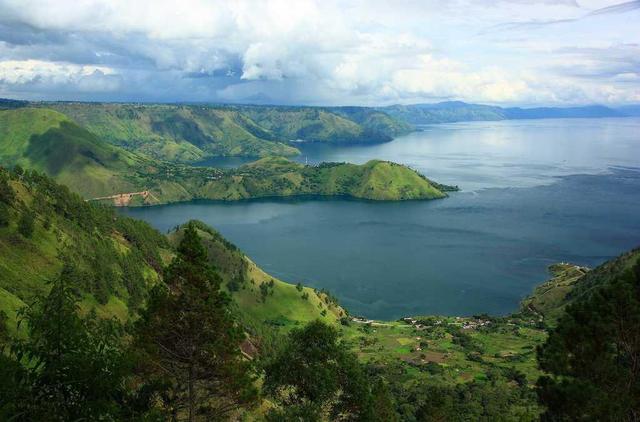
The Origin and History of Mandheling | What is the Sumatra coffee grading system? What varieties of Mandheling are there? How is Indonesian coffee brewed?
Once hailed as the most expensive coffee in the world, Kopi Luwak comes from Indonesia, and its most iconic representative is Front Street Mandheling coffee. Mandheling coffee has a moderate acidity, an extremely heavy aroma, a rather bitter taste, and a rich body with a thick, full mouthfeel. Its flavor combines aroma, intensity, richness, and bitterness in one. Of course, for [more…]
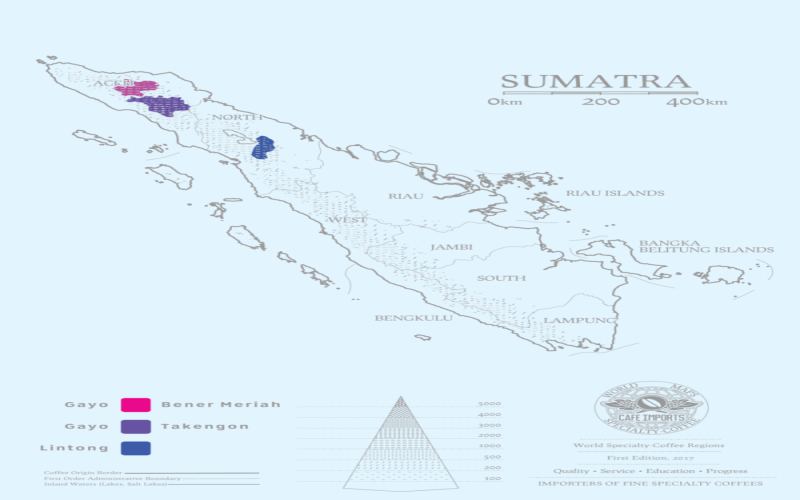
Indonesian Coffee Regions Explained: Everything About Sumatra Mandheling, the Ateng Variety, and Wet-Hulling Processing
Indonesia is the world's largest archipelagic nation, spanning Asia and Oceania with 17,508 islands, numerous volcanoes, and abundant resources. Thanks to its geographic advantage of being crossed by the equator, it has developed an extremely suitable environment for coffee cultivation, with coffee produced on islands such as Sulawesi, Java, Bali, and Sumatra; among them, Sumatra is especially world-famous for Mandheling. This article will guide you through Sumatra's three main coffee-producing regions, the interesting story behind the name Mandheling, the true identity of the Ateng variety, and Indonesia's signature wet-hulling process, while also introducing two representative Mandheling coffees from Front Street Coffee—Lintong Mandheling and PWM Golden Mandheling. [more…]
Indonesian Civet Coffee: The Origin Story of the World's Most Expensive Coffee and a Breakdown of Its Price Per Cup
When discussing the world's most expensive coffee, Indonesian-produced Kopi Luwak is sure to be on the list. This coffee is precious not only because of its scarce production, but also because its raw material source is extremely unique—it is actually obtained from the feces of civets. The civet feeds on coffee cherries, and the coffee beans it cannot digest are excreted with its feces. After collection, washing, drying, and light roasting, they finally become a finished product with a distinctive flavor. On islands such as Java, Sumatra, Bali, and Sulawesi, civet coffee is a local specialty. Today, its price per pound has exceeded 227 US dollars, with Japan and South Korea being the main consumer markets. Front Street Coffee will also take you on an in-depth look at the story and price trends behind this coffee. [more…]